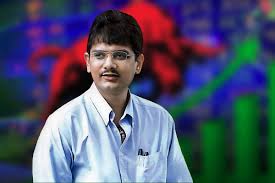
Ketan Parekh
"How the master of the ICE revolution drove technology stocks into astronomical orbit before the 2001 payment crisis wiped out the syndicate."
Vedic & Numerological Blueprint
Mathematical and celestial breakdown of planetary yogas, transit triggers, and name vibrations that governed Ketan Parekh’s cycle.
Executive Historical Summary
Ketan Parekh was the undisputed king of the dot-com and TMT boom in India between 1999 and 2001. His portfolio of 10 handpicked technology, media, and telecom stocks—famously called the 'K-10' (including Global Tele-Systems, Pentamedia Graphics, Himachal Futuristic, and VisualSoft)—became the darling of foreign institutional investors and mutual funds before collapsing in the March 2001 Calcutta Stock Exchange payment crisis.
Anatomy of the Rise & Fall
Phase I: The Mercury TMT Wave (1999–2000)
As Mercury (Budha - the planet governing computation, information networks, and communication) entered favorable transits during the global internet boom, Ketu provided the synthetic imagination. Parekh engineered a circular liquidity model, drawing funds from cooperative banks and international funds to corner floating shares of tech companies.
Phase II: The Mania of K-10 (Early 2000)
Stocks like Himachal Futuristic soared from ₹40 to ₹2,550. VisualSoft jumped from ₹625 to ₹8,400. Ketan Parekh was courted by Bollywood stars, Silicon Valley entrepreneurs, and international hedge funds. Market participants believed traditional P/E ratios were obsolete in the new information economy.
Phase III: The 2001 Crash and Bank Seizure
In March 2001, following the Union Budget, bears launched a relentless counter-offensive. At the same time, Madhavpura Mercantile Co-operative Bank faced a liquidity squeeze and could no longer honor pay orders. Transiting Ketu severed the circular credit chain in 48 hours. The K-10 collapsed by 85% to 95%, wiping out retail investors and leading to Parekh’s arrest by the CBI.
Phase IV: The Regulatory De-barment
Parekh was banned from the Indian securities markets for 14 years. The crash precipitated sweeping structural reforms in the Indian financial system, including the end of the traditional Badla financing system and the transition to rolling T+2/T+1 settlements.

Understand Your Personal Planetary Cycles Before Risking Capital
Are you entering an unexamined Rahu phase or approaching a Saturnian restructuring transit?
History proves that market crashes are not random; they mirror celestial macro alignments. Before committing capital to high-risk investments, consult with Dr. Ashish Patni to decode your 2nd, 5th, and 11th wealth houses, your active Dasha period, and your personal auspicious Muhurat.
Explore More Market Chronicles
 Indian Speculators
Subrata Roy
"How an empire built on the micro-savings of 3 Crore rural citizens collided with SEBI’s escrow manda..."
Read Blueprint → Indian Speculators
Rakesh Jhunjhunwala
"The Unbroken Legend: How honoring Saturnian patience and Jupiterian wisdom created an eternal ₹40,00..."
Read Blueprint →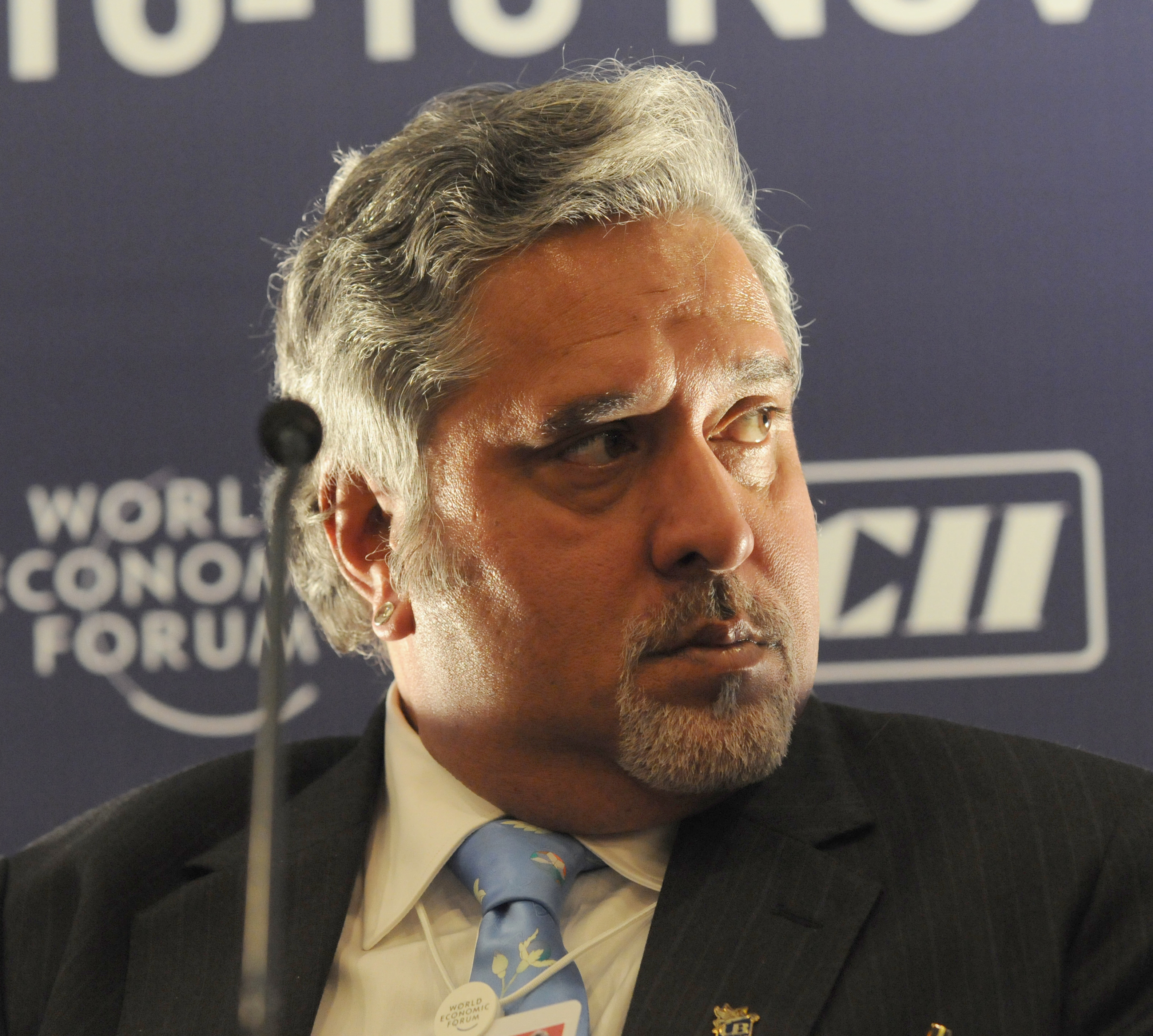 Indian Speculators
Vijay Mallya
"The dramatic cosmic shift from Venusian opulence, Formula 1, and airlines into 12th house debt and f..."
Read Blueprint →
Dr. Ashish Patni, Ph.D.
Founder, Bhavishyam • Master of Astro-Financial Geometry"Technology is governed by Budha (Mercury), but circular financing and leverage belong to Rahu. When Mercury and Rahu combine without Jupiterian ethics, they generate a bubble of pure narrative. In personal horoscopes, when an investor runs a Rahu-Budha period, they become dangerously vulnerable to 'story stocks' and high-velocity technology hypes that have zero underlying cash flows."
⚖️ Essential Wealth Preservation Rules from this Case Study: